Türkiye welcomed 34.8 million foreign visitors in eight months, led by Antalya and Istanbul
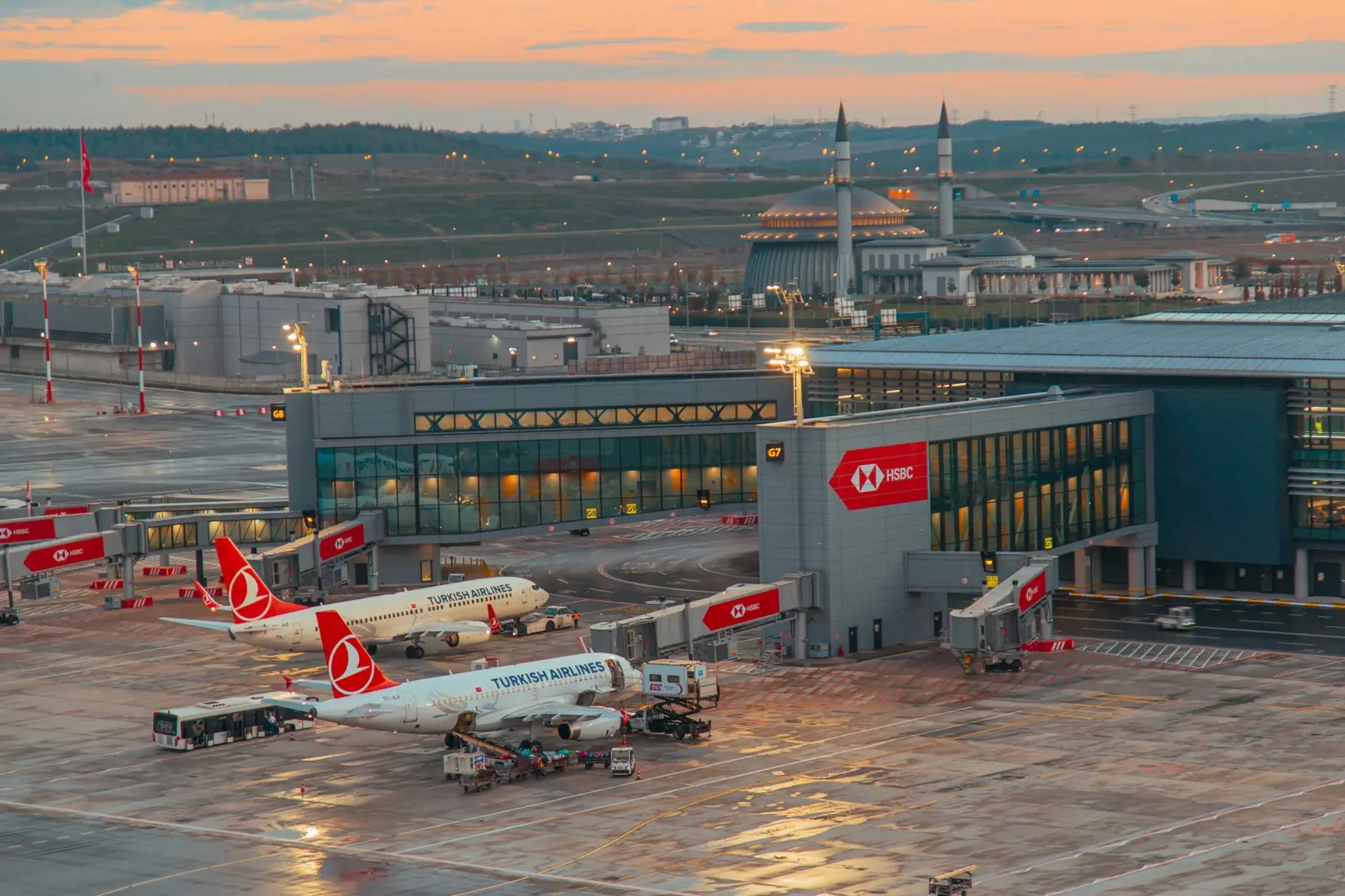
According to the Ministry of Culture and Tourism, 34,826,677 foreign visitors came to Türkiye in January–August 2026. Russia and Germany ranked first and second, and over 65% of visitors entered through Istanbul and Antalya.

According to border statistics from the Ministry of Culture and Tourism, 34,826,677 foreign visitors came to Türkiye in the first eight months of 2026, 1.84% fewer than in the same period of 2025. In August, 6,963,065 foreign visitors arrived, almost exactly the same as a year earlier.
Where they come from
In January–August, the largest number of visitors came from the Russian Federation, 4,717,814 or 13.55% of the total. Germany was second with 4,391,616 visitors (12.61%) and the United Kingdom third with 2,714,652. Iran and Bulgaria completed the top five. In August alone, the top five were Russia, Germany, the UK, Iran and Poland.
The weight of Istanbul and Antalya
By province of the border gate used, Istanbul accounted for 35.82% of arrivals over the eight months (12,473,679) and Antalya for 29.52% (10,282,502). In August, the peak of the summer season, Antalya moved ahead of Istanbul with a 36.24% share.
The link to housing
The connection between tourism and foreign home purchases is striking. Russia, the largest source of visitors, has also been the leading nationality for foreign home purchases for years. Germany is second in visitor numbers and was the third-largest buyer nationality in September 2026. Antalya and Istanbul are the top choices for both tourists and foreign home buyers.
For many foreign buyers, a holiday is the first point of contact. Repeat visits lead to getting to know a region and, in time, to buying a second home or a home for retirement. Tourism trends are therefore watched as one of the leading indicators of housing demand, especially in coastal cities.